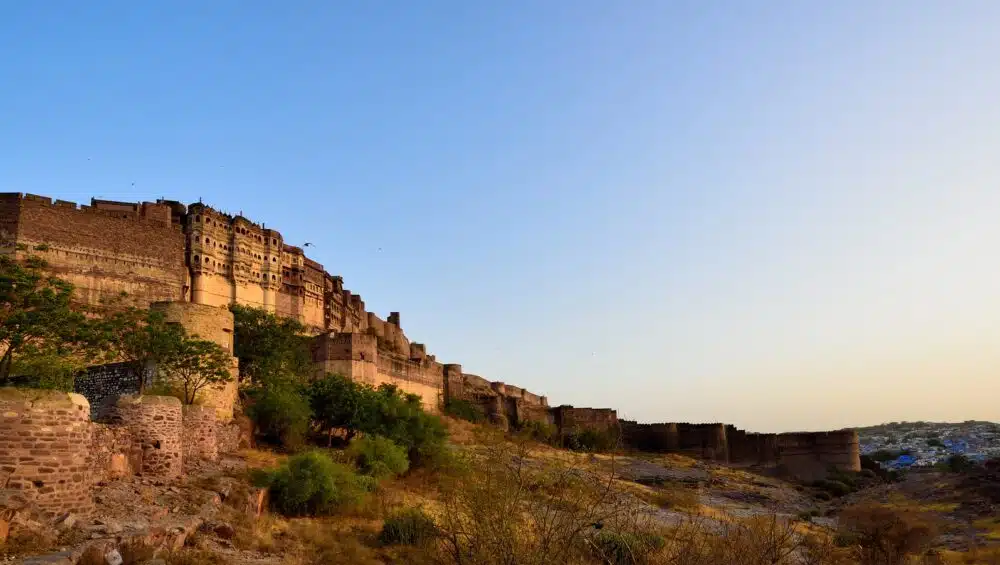
The term 'Maharaja' is a Sanskrit word meaning 'great king' or 'great ruler'. Maharajas, the rulers of great renown, ruled over various kingdoms and principalities in India for centuries. They were symbols of power, wealth and luxury, their stories steeped in legends of lavish palaces, exquisite jewels and epic battles. This article will briefly review the history of the maharajas from the beginning of their reign to their role in modern India.
Beginning of the Maharaja Era
The history of Maharajas in India dates back to the Vedic Age, which began around 1500 BC. During this period, the rulers of kingdoms were often referred to as 'Rajas' or 'Maharajas'. The role of these rulers was mainly to protect their subjects and to ensure the social, religious and economic order of their kingdoms. However, it was during the Gupta Empire, from 320 to 550 AD, that the term 'Maharaja' came into more common use. This period, often considered the Golden Age of India, saw a significant expansion of culture, philosophy, art and science. The Maharajas of the Gupta Empire, such as Chandragupta I, Samudragupta and Chandragupta II, played a crucial role in shaping Indian history, with their effective governance, patronage of various forms of art and culture, and expansion of the empire across the Indian sub-continent. These rulers set high standards of leadership and governance that were followed by subsequent generations of maharajas. The era of the Maharajas thus gained significant momentum during the Gupta Empire, laying the foundation for the important role that these rulers would play in the following centuries of Indian history.
The Apogee of the Maharajas
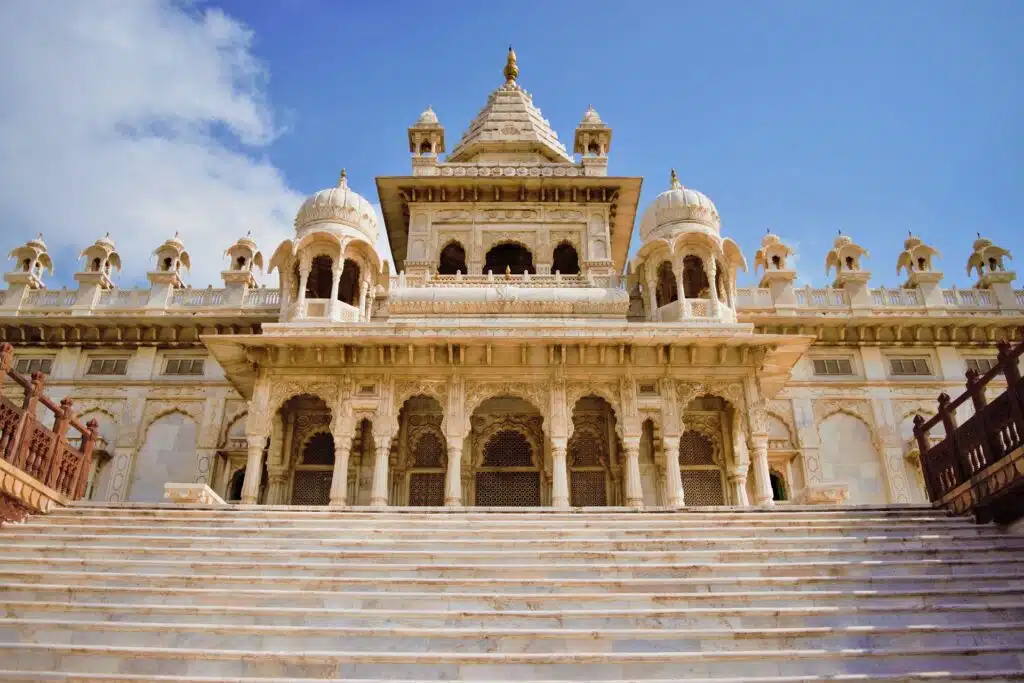
After the Gupta Empire, India witnessed the emergence of several powerful dynasties that led to the heyday of the Maharajas. Among these dynasties were the Cholas, Pandyas, Cheras, Pallavas, Chalukyas and Rashtrakutas. These empires were marked by strong and influential reigns, with maharajas who not only consolidated their power within their kingdoms, but also extended their influence far beyond their borders. For example, during the reign of Rajaraja Chola I and his son Rajendra Chola I, the Chola Empire spread across Southeast Asia, encompassing parts of present-day Bangladesh, Sri Lanka, the Maldives, and even reaching Thailand and Indonesia. The maharajas of this period not only led major territorial expansions, but also encouraged the arts, literature, architecture and science. Their patronage led to periods of great cultural prosperity, as evidenced by the magnificent temples, sculptures and literary texts that have survived to the present day. In addition, they also established efficient administrative systems and extensive trade networks, contributing to the economy and stability of their kingdoms. It was thus during this period that the maharajas achieved a level of influence, power and prosperity unprecedented in Indian history.
Under British rule
The arrival of the British in India in the 17th century marked a significant turning point in the history of the maharajas. With the gradual establishment of British colonial rule, the maharajas were faced with a new political reality. The British introduced the system of 'suzerainty' or 'subordination', where the maharajas were allowed to maintain their title and manage their kingdoms in exchange for their recognition of British supremacy. This led to a series of 'sovereign princes' who maintained a degree of autonomy, while being subject to British rule. However, this situation varied from kingdom to kingdom, with some maharajas resisting British rule, while others collaborated to preserve their own power and status. Despite these challenges, many maharajas managed to maintain some influence and prestige, continuing to play an important role in their respective kingdoms. They mediated between the British and their people, maintained order and stability, and often acted as patrons of the arts and culture. However, British rule inevitably altered the role and status of the maharajas, setting the stage for the major changes that would follow with India's independence in 1947.
The Maharajas in Modern India
With India's independence in 1947, the situation of the maharajas changed significantly. The process of decolonisation led to the end of British suzerainty, and the new Indian government undertook to modernise and centralise the country. This involved the dissolution of the princely states, which had hitherto been ruled by the maharajas. As part of this effort, Sardar Vallabhbhai Patel, then Home Minister, orchestrated the integration of the princely states into the Indian Union. The maharajas were encouraged to cede their sovereignty in exchange for a pension from the Indian government and the promise to retain some of their privileges. Most maharajas accepted this proposal, although some resisted. In 1971, the Indian Constitution was amended to abolish the legal privileges of the maharajas, officially ending their political status. Since then, maharajas have continued to play a role in India's cultural and social life, some retaining their influence as heads of respected noble families, others diversifying into business, politics or charity. Although their formal political role has ended, the legacy of the maharajas continues to influence the history and culture of modern India.
Reliving the history of the Maharajas in India today
Discovering the history of the maharajas in India is an enriching experience that Far Destinations Tours organises. Our tour Songs of the Maharajas This tour, which can be done in small groups or individually, would allow you to visit the ancient kingdoms and palaces of the maharajas. This tour includes visits to historical sites such as the forts of Jaipur, the lavish palaces of Udaipur, the ancient city of Jodhpur, or the royal residences in Bikaner and Jaisalmer. With our expertise, you can immerse yourself in the rich and fascinating history of India's maharajas, and discover how their legacy continues to shape the country today



Comments are closed.